
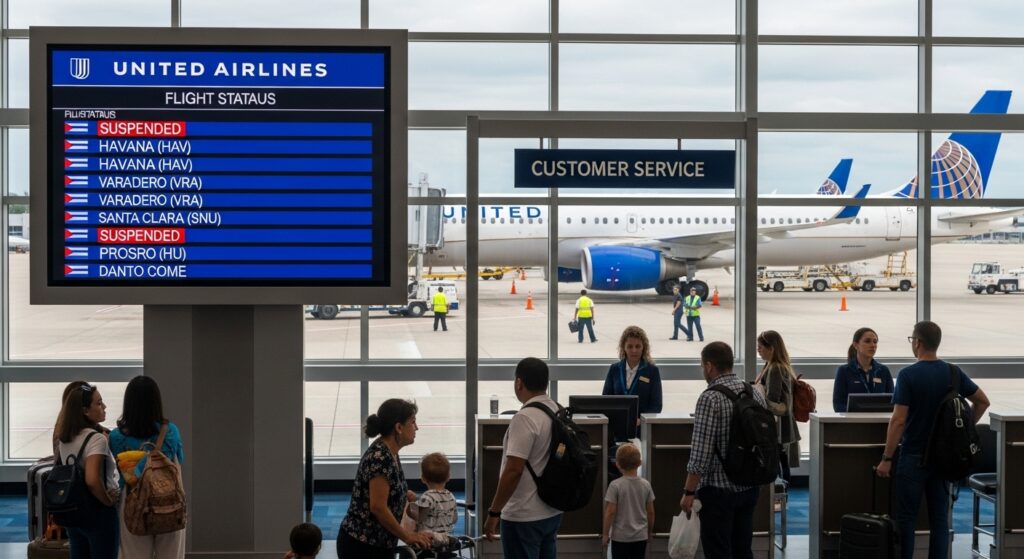
The allure of Cuba has long captivated travelers from around the globe, drawing them in with its rich culture and stunning landscapes. However, recent developments have left many reconsidering their travel plans. United Airlines recently announced a suspension of flights to this vibrant island nation, sending ripples through the tourism industry and leaving potential visitors scrambling for answers. What does this mean for your dream getaway? Let’s dive into the implications of the United Airlines Cuba flights suspension and explore what options remain for those eager to experience all that Cuba has to offer.
What is United airlines cuba flights suspension?
The United Airlines Cuba flights suspension refers to the recent halt of all air services by United to various destinations in Cuba. This decision came as a shock to many travelers who had planned their getaways or business trips.
Suspensions like this are not uncommon in the aviation industry, especially when geopolitical tensions arise. They can significantly impact travel schedules and plans for those eager to explore Cuba’s rich culture and vibrant cities.
United’s announcement has created uncertainty among passengers, forcing them to reconsider their travel arrangements. It also leaves a gap in available flight options for routes that were previously popular with American travelers.
Many are left wondering about alternative carriers while others remain hopeful for future reinstatements of these vital connections between the U.S. and Cuba. The implications extend beyond just airlines; they touch on broader economic ties and tourism dynamics too.
Impact on Travelers and Tourism Industry
The suspension of United Airlines Cuba flights has created a ripple effect for travelers eager to explore the island. With reduced access, many vacation plans are now uncertain. Travelers seeking cultural experiences or sandy beaches may have to rethink their itineraries.
Tourism in Cuba heavily relies on foreign visitors, particularly from the U.S. The loss of one major airline can lead to significant drops in visitor numbers. Local businesses, hotels, and restaurants that thrive on tourism may face economic strain.
Travelers accustomed to convenient options will find themselves looking elsewhere for flights. This could shift interest toward other Caribbean destinations, impacting Cuba’s visibility as a travel hotspot.
Moreover, potential tourists might reconsider their investment in Cuban vacations altogether if flight availability remains limited long-term. This uncertainty casts a shadow over what was once an exciting destination for American travelers.
Alternatives for Traveling to Cuba
Traveling to Cuba can still be an exciting adventure, despite the recent suspension of United Airlines flights. Many other airlines continue to offer routes that connect travelers from various U.S. cities to Cuban destinations.
American Airlines and JetBlue are two prominent carriers operating flights to Havana and other popular locations like Varadero and Santiago de Cuba. These options provide flexibility in scheduling and pricing.
Additionally, consider charter flight services for a more direct route. Several companies specialize in offering additional travel paths specifically designed for those looking to explore the island.
Don’t forget about cruise lines as well; several itineraries include stops in Cuba’s vibrant ports. This option allows for a unique way to experience multiple destinations while enjoying onboard amenities.
For adventurous souls, traveling via Mexico or the Bahamas is another possibility. Connecting flights through these countries can lead you right into Cuba’s warm embrace without much hassle.
The History of United Airlines in Cuba
United Airlines has a storied history in Cuba, dating back to the mid-20th century. The airline initially provided essential connectivity between major U.S. cities and Havana, catering to travelers eager to explore the vibrant culture of the island.
After years of absence due to political tensions and travel restrictions, United resumed flights in 2016 when relations between the U.S. and Cuba began thawing. This reestablishment marked a significant moment for tourism and business exchanges.
The airline expanded its service offerings over time, introducing various routes that connected American tourists with Cuba’s rich heritage, stunning landscapes, and historical sites. Despite ups and downs throughout its operational timeline on this route, United Airlines played an essential role in bridging two nations through air travel.
As geopolitical dynamics shifted again, so did United’s strategy regarding Cuban flights a reminder of how closely intertwined aviation is with international diplomacy.
Reasons for the Suspension
The suspension of United Airlines flights to Cuba stems from various political and operational factors. One significant reason is the shifting landscape of U.S.-Cuba relations. Changes in government policies often influence airline operations.
In recent years, restrictions on travel and trade with Cuba have tightened. This has made it challenging for airlines to maintain profitable routes. United Airlines must navigate these complexities while ensuring compliance with federal regulations.
Additionally, market demand plays a critical role. Fluctuations in passenger interest can lead to route adjustments, particularly when competition increases or economic conditions change.
Operational considerations also factor into the equation. Safety concerns and logistical challenges can impact flight schedules, leading airlines like United to reassess their service offerings strategically.
These elements combined make for an intricate decision-making process regarding flights to Cuba.
Potential Effects on the Cuba-U.S. Relations
The suspension of United Airlines flights to Cuba could signal a shift in the delicate balance of Cuba-U.S. relations. Travel has often been seen as a bridge between the two nations, fostering understanding and cultural exchange.
Without direct flights, interactions may dwindle. This could lead to increased isolation for Cuban communities that rely on tourism for economic stability. It also affects Americans who seek personal connections or business opportunities on the island.
Moreover, this disruption might provoke political discussions within both countries. Supporters of engagement may voice concerns about closing off avenues for diplomacy and cooperation.
Economic repercussions are likely as well, with reduced travel hurting local businesses that depend heavily on American tourists. This situation creates an environment ripe for tension rather than collaboration, potentially affecting future negotiations between governments.
Conclusion
The recent suspension of United airlines cuba flights suspension has created a ripple effect throughout the travel and tourism sector. As one of the major carriers providing service to this vibrant island, their decision impacts not only travelers but also businesses that rely on tourism for economic stability.
Travelers now face an unexpected hurdle in planning trips to Cuba. With fewer flight options available, many will need to explore alternative routes or carriers, potentially leading to increased costs and longer travel times. The charm and allure of Cuba remain intact, but accessing it is becoming more complicated.
United Airlines has a storied history in Cuban air travel, having re-entered the market as diplomatic relations between the U.S. and Cuba began improving. This latest development marks another chapter in that ongoing saga. Reasons behind the suspension are multifaceted ranging from regulatory challenges to fluctuating demand and highlight how sensitive airline operations can be.
The implications extend beyond individual travelers. The suspension could influence broader U.S.-Cuba relations at a time when both countries are navigating complex political waters. Tourism plays a pivotal role in fostering understanding between nations; thus, changes like these can affect perceptions on both sides.
As we look ahead, it remains crucial for all stakeholders from government officials to travelers to stay informed about developments related to United Airlines’ operations and potential policy shifts affecting travel toward Cuba.