
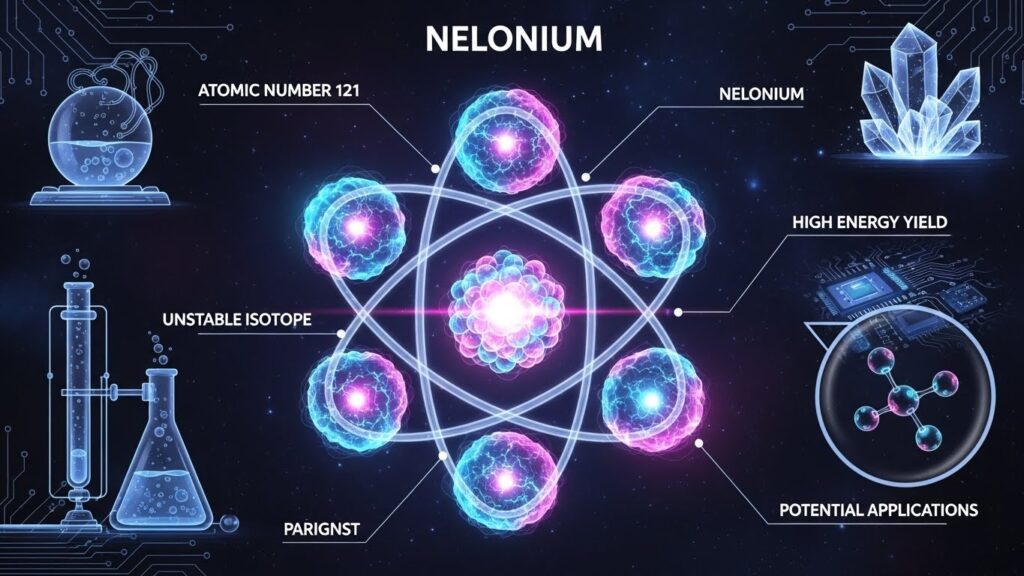
Have you ever heard of nelonium? If not, you’re in for a treat. This innovative element has recently captured the attention of scientists and enthusiasts alike. With its unique properties and potential applications, nelonium is poised to change how we think about materials in various fields.
As curiosity grows around this enigmatic substance, many are eager to uncover its mysteries. From groundbreaking discoveries to debates over safety and risks, nelonium is more than just a buzzword; it represents a leap into the future of science and technology. Buckle up as we dive deep into what makes nelonium so fascinating!
What is Nelonium?
Nelonium is a groundbreaking element that has recently captured the attention of scientists and innovators alike. Discovered in a laboratory setting, it boasts unique properties that could revolutionize various industries.
This novel element exhibits unusual atomic behavior, making it stand apart from its periodic table counterparts. Researchers are exploring nelonium’s potential applications across fields such as energy storage, medicine, and materials science.
The allure of nelonium lies not only in its scientific implications but also in the mystery surrounding its formation. As studies continue to unfold, the excitement grows about what this element might bring to our understanding of chemistry and physics. The possibilities seem endless as we delve deeper into nelonium’s characteristics and capabilities.
Understanding Nelonium
Nelonium, a recently discovered element, intrigues scientists and enthusiasts alike. It holds unique characteristics that set it apart from traditional elements on the periodic table.
At its core, nelonium is still being studied. Researchers are deciphering its atomic structure and how it interacts with other substances. Initial findings suggest it may have unusual bonding properties.
This element exhibits interesting behavior under various conditions. Preliminary experiments hint at potential applications in energy storage and materials science.
Understanding nelonium involves not just chemistry but also physics and engineering principles. Its discovery opens new avenues for exploration across multiple disciplines.
With ongoing research, we can expect more revelations about this innovative element soon—each one adding to the growing body of knowledge surrounding nelonium’s potential impact on technology and industry.
The Discovery of Nelonium
The discovery of nelonium is a tale steeped in intrigue. Researchers stumbled upon this innovative element while experimenting with fusion processes in advanced laboratories.
In 2022, a team of scientists at the Global Research Institute was investigating ways to enhance energy efficiency when they observed unusual reactions during their experiments. What started as routine testing quickly turned into an electrifying moment.
Through rigorous analysis, they identified unique characteristics that set nelonium apart from known elements. This breakthrough opened new avenues for exploration and application.
Interest surged as word spread about potential uses ranging from renewable energy solutions to medical advancements. The scientific community became captivated by its properties, sparking debate over the implications of this newfound element.
As research progressed, questions arose regarding its origins and stability. Nelonium had captured imaginations worldwide, igniting curiosity among both experts and enthusiasts alike.
Properties and Uses of Nelonium
Nelonium is a fascinating element with unique characteristics. It exhibits remarkable conductivity, making it suitable for various electrical applications. Its ability to withstand high temperatures adds to its versatility.
In the world of materials science, nelonium is gaining attention for developing lightweight composites. These composites can enhance the strength and durability of structures while minimizing weight.
Furthermore, nelonium shows promise in renewable energy technologies. Researchers are exploring its potential in solar panels and batteries due to its efficient energy absorption properties.
Medical applications also emerge as an exciting frontier. Early studies suggest that nelonium may play a role in advanced imaging techniques or drug delivery systems.
With ongoing research, the expanding list of uses indicates that this innovative element could revolutionize multiple industries soon. The possibilities seem endless as we continue to unlock its secrets.
Comparing Nelonium with Other Elements
Nelonium stands out among other elements due to its unique atomic structure. Unlike common metals, it exhibits remarkable flexibility in bonding with various compounds.
When compared to rare earth elements, Nelonium demonstrates superior conductivity. This property makes it particularly valuable in electronic applications where efficiency is crucial.
Its reactivity sets Nelonium apart from inert gases like neon and argon. While these gases remain stable under most conditions, Nelonium’s interactions can lead to innovative chemical reactions.
In the realm of transition metals, Nelonium shows promise for catalysis. Its ability to facilitate reactions without being consumed offers exciting potential for sustainable processes.
Each element has its own character and application; however, Nelonium’s versatility may redefine how we think about material science and chemistry moving forward.
Potential Risks and Safety Measures
While Nelonium shows great promise, it’s crucial to understand the potential risks associated with this innovative element. Like many new materials, Nelonium’s long-term effects on health and the environment are still under investigation.
Exposure may lead to unforeseen reactions in biological systems. Researchers emphasize caution during handling. Proper protective gear is essential for anyone working with this substance.
Additionally, its chemical interactions could pose challenges in various applications. Understanding these dynamics helps mitigate risks before widespread use.
Safety measures include rigorous testing protocols and strict regulatory guidelines. Manufacturers must adhere to safety standards that protect both workers and consumers alike.
Continuous monitoring of Nelonium’s impact will be vital as more data becomes available. The focus should remain on responsible research practices while exploring its full potential safely.
Future Applications of Nelonium
Future applications of nelonium are poised to revolutionize various industries. Researchers envision its use in advanced energy storage systems. With its unique properties, nelonium could significantly enhance battery efficiency and longevity.
In the field of medicine, nelonium shows promise as a potential agent for targeted drug delivery. Its ability to interact with biological tissues may lead to breakthroughs in treatments for chronic diseases.
The tech industry is also eyeing nelonium for improved semiconductor materials. This could result in faster, more efficient electronic devices that consume less power.
Environmental science might benefit from this innovative element too. Nelonium’s unique characteristics lend themselves well to pollution control and waste management technologies, offering sustainable solutions for a cleaner future.
As research progresses, the possibilities seem endless. Each discovery opens new doors that can reshape our understanding of technology and health care alike.
The Controversy Surrounding Nelonium
Nelonium has sparked significant debate among scientists and industry professionals. Its unique properties have led some to champion it as a groundbreaking element, while others raise concerns about its safety and long-term effects.
Critics argue that the rush to integrate nelonium into everyday applications could overshadow potential risks. Skepticism often centers on its environmental impact and unknown health implications.
Moreover, misinformation has proliferated online, leading to confusion. Some enthusiasts tout exaggerated benefits, while detractors warn against unregulated experimentation with this innovative element.
As research continues, discussions remain heated within academic circles. The need for rigorous testing is emphasized by many experts who caution against premature adoption in consumer products or industrial use without comprehensive data supporting its safety.
This ongoing controversy reflects broader tensions in scientific advancement versus public perception a dynamic that will shape how nelonium is viewed in the years to come.
Conclusion
The allure of nelonium continues to captivate scientists and enthusiasts alike. As researchers delve deeper into this innovative element, the potential it holds becomes clearer. Not only could transform various industries, but it also opens doors for groundbreaking applications that we have yet to imagine.
With its unique properties and versatile uses, understanding is crucial as we move forward. However, caution remains essential as we navigate the unknowns associated with new elements. By staying informed about the risks and safety measures, society can harness the benefits of nelonium while ensuring a responsible approach.
As discussions around this intriguing element evolve, so too does our curiosity and excitement for what lies ahead in the world of science and technology. Embracing innovation like nelonium may very well pave the way for future advancements that enhance our lives in ways we’ve only dreamed of thus far.