
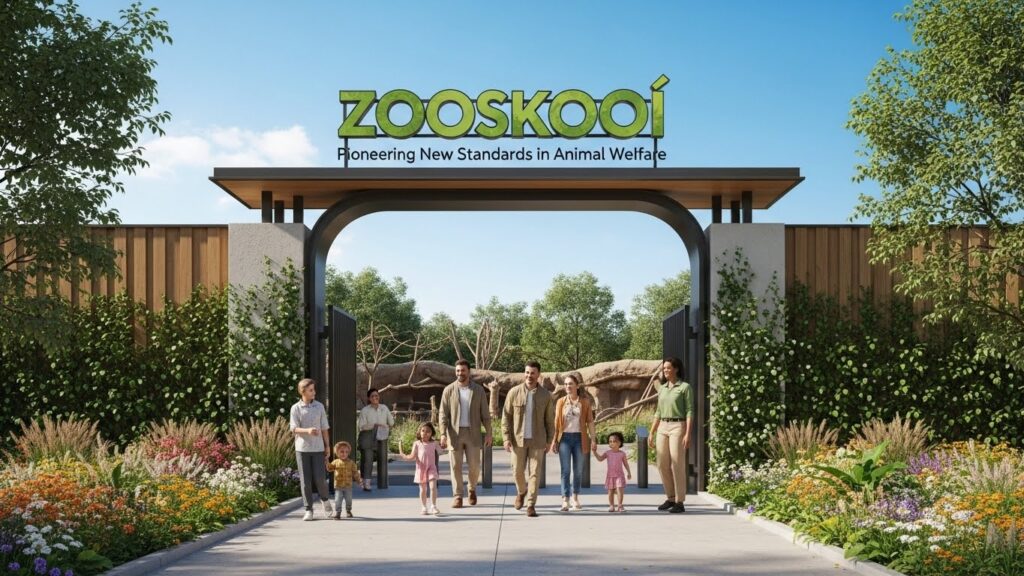
Imagine a place where animals thrive, their well-being prioritized above all else. Welcome to Zooskooñ, an innovative organization redefining what it means to care for wildlife in captivity. With a mission centered around enhancing animal welfare and promoting conservation awareness, Zooskooñ is not just another zoo; it’s a transformative movement. As we delve into the inspiring journey of Zooskooñ, you’ll discover how this pioneering initiative is setting new standards that benefit both animals and visitors alike. Get ready to learn about an exciting shift in the world of zoos!
What is Zooskooñ?
Zooskooñ is an innovative organization redefining the concept of animal welfare in zoos. It emphasizes compassion and respect for wildlife, striving to create environments that mimic natural habitats.
At its core, Zooskooñ believes that animals deserve more than mere survival; they should thrive emotionally and physically. This philosophy drives their mission to enhance the living conditions of zoo inhabitants worldwide.
The initiative focuses on education as a crucial component. By raising awareness about animal needs, Zooskooñ empowers visitors to become advocates for better practices in zoos everywhere.
Through collaboration with various stakeholders, including veterinarians and conservationists, Zooskooñ sets new standards in how we care for animals in captivity. Their approach combines cutting-edge research with practical applications tailored to each species’ unique requirements.
This commitment marks a significant shift towards prioritizing animal well-being over traditional entertainment models seen in many facilities today.
History of animal welfare in zoos
The history of animal welfare in zoos is a journey marked by significant changes. Early zoos often prioritized entertainment over the well-being of animals. Creatures were displayed in cramped cages, far from their natural habitats.
As society evolved, so did our understanding of animal rights. The mid-20th century saw the birth of the modern zoo movement. This period emphasized education and conservation rather than mere spectacle.
Organizations began advocating for better living conditions for captive animals. The formation of groups like the World Animal Protection played a pivotal role in pushing for reforms.
Public awareness grew alongside scientific research on animal behavior and psychology. Zoos started to adopt more humane practices, focusing on enrichment and larger habitats.
This evolution paved the way for innovative approaches we see today. Institutions now strive to create environments that mimic nature while educating visitors about wildlife conservation efforts.
The innovative approach of Zooskooñ
Zooskooñ is redefining how we think about animal care. Its innovative approach centers on creating natural habitats that mimic the wild, allowing animals to express their innate behaviors.
Instead of traditional enclosures, Zooskooñ designs expansive environments where species can thrive. These spaces promote physical activity and mental stimulation.
The organization also incorporates cutting-edge technology for monitoring animal health. Wearable devices track vital signs, ensuring each creature receives personalized attention.
Education plays a crucial role in this model. Visitors are immersed in interactive experiences that foster empathy and understanding toward wildlife conservation.
Collaborations with experts across disciplines ensure continual improvement of practices at Zooskooñ. This holistic strategy addresses both immediate needs and long-term goals for sustainable animal welfare.
Benefits for both animals and visitors
Zooskooñ prioritizes the well-being of animals, creating environments that mimic their natural habitats. This approach not only enhances animal health but also fosters more authentic behaviors, allowing visitors to witness wildlife in a way that’s both captivating and educational.
For guests, experiencing these enriched habitats transforms typical zoo visits into immersive journeys. People leave with a deeper understanding of animal needs and conservation efforts. Engaging displays invite questions and spark curiosity about biodiversity.
Moreover, interactive programs designed by Zooskooñ encourage meaningful connections between visitors and animals. These experiences inspire empathy towards wildlife and promote awareness of pressing environmental issues.
By focusing on animal welfare while enriching visitor interactions, Zooskooñ creates a win-win scenario that elevates the traditional zoo experience into something extraordinary.
Examples of changes made by Zooskooñ
Zooskooñ has implemented several transformative changes that set new standards in animal welfare. One notable initiative is the redesign of enclosures to mimic natural habitats more closely. This allows animals to engage in instinctual behaviors and reduces stress.
The organization has also introduced enrichment programs tailored to each species. These activities encourage mental stimulation and physical exercise, enhancing the overall quality of life for the animals.
Another significant change involves improved nutrition plans developed by experts. A focus on species-specific diets ensures that every animal receives optimal health support.
Visitor engagement has also evolved at Zooskooñ. Educational programs provide insights into conservation efforts, fostering a deeper understanding among guests about wildlife preservation.
These innovative modifications reflect Zooskooñ’s commitment to holistic animal care while enriching visitor experiences simultaneously. Each step taken is designed with both the well-being of wildlife and public education in mind.
Challenges faced by the organization
Zooskooñ faces numerous challenges while striving to redefine animal welfare standards. One significant hurdle is securing funding for innovative projects and enhancements. Many initiatives require substantial investment, which can be difficult to obtain.
Public perception also plays a crucial role. Despite its commitment to animal welfare, Zooskooñ must continually educate visitors about the importance of these changes. Misunderstandings regarding traditional zoo practices persist, making outreach essential.
Regulatory obstacles are another barrier. Navigating complex legal frameworks can slow down the implementation of new policies and programs aimed at improving habitats and care.
Recruiting staff who share Zooskooñ’s vision proves challenging in an industry with varying levels of training and commitment to animal welfare. Finding dedicated individuals passionate about this mission is vital for success but often complicated by broader employment market issues.
Future plans and expansion
Zooskooñ has ambitious plans for the future, aiming to redefine animal welfare on a global scale. The organization is exploring partnerships with wildlife conservation groups to expand its reach and influence.
New locations are in the works, allowing more communities access to their innovative practices. These expansions prioritize creating environments that mirror natural habitats. This goal enhances both animal well-being and visitor experiences.
Research initiatives will also play a crucial role in Zooskooñ’s growth. By collaborating with scientists and universities, they aim to develop new methods of care and enrichment tailored specifically for each species.
Additionally, educational programs are set to expand beyond traditional zoo settings. Virtual outreach through technology can engage people worldwide in conversations about animal welfare and conservation efforts. As Zooskooñ moves forward, it remains committed to setting higher standards that inspire others within the industry to follow suit.
Why Zooskooñ is leading the way in animal welfare standards
Zooskooñ is redefining what it means to care for animals in captivity. Their commitment to innovative animal welfare practices sets them apart from traditional zoos.
By prioritizing natural habitats and species-appropriate environments, Zooskooñ creates spaces where animals can thrive. This focus not only enhances the well-being of the animals but also enriches visitor experiences.
Educational programs at Zooskooñ emphasize conservation and empathy, fostering a deeper understanding of wildlife among guests. This approach cultivates respect for nature while encouraging responsible behavior towards endangered species.
Furthermore, their collaboration with leading veterinarians ensures that health standards are met consistently across all facilities. Regular assessments keep pace with the latest research in animal care.
With bold initiatives and community engagement, Zooskooñ inspires other organizations to re-evaluate their methods. The ripple effect of these changes has the potential to elevate animal welfare standards globally.
Conclusion
Zooskooñ has emerged as a beacon of hope in the quest for improved animal welfare within zoos. With its innovative approaches and commitment to creating enriching environments, it sets new standards that others may follow. The changes implemented not only enhance the lives of animals but also elevate visitors’ experiences, fostering a deeper understanding and appreciation for wildlife.
As Zooskooñ navigates challenges and continues to expand, its dedication remains unwavering. It inspires both existing institutions and future generations to prioritize animal well-being above all else. The journey toward redefining what a zoo can be is just beginning, but with leaders like Zooskooñ at the helm, there’s much promise on the horizon.