
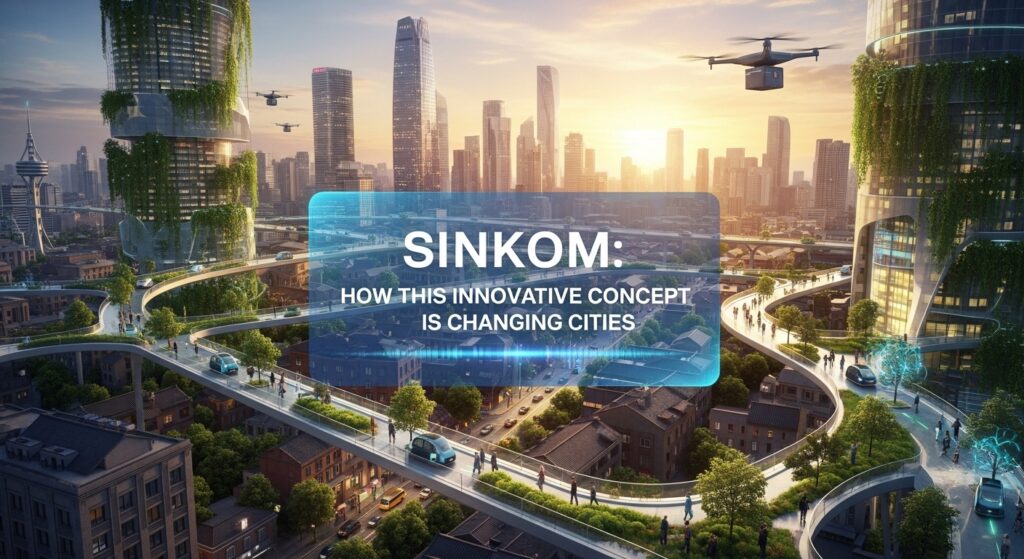
Urban living is constantly evolving, and so are our needs. As cities grow, the challenges of maintaining efficient transportation and parking systems become more apparent. Enter Sinkom a groundbreaking solution that aims to revolutionize how we think about parking in urban environments. Imagine a city where finding a parking space is no longer a frustrating experience but rather an effortless part of your journey. With its innovative approach, Sinkom is not just another trend; it’s reshaping the landscape of urban mobility for the better. Curious about how this concept works? Let’s dive into what makes Sinkom stand out in today’s ever-changing cities.
What is Sinkom?
Sinkom is a groundbreaking urban solution designed to optimize parking and reduce congestion. It reimagines how we view city spaces, shifting from traditional parking lots to multifunctional environments.
At its core, Sinkom transforms underutilized areas into smart parking hubs. These hubs integrate technology with user-friendly features such as app-based reservations and real-time availability updates.
Rather than simply storing cars, Sinkom encourages efficient use of space while promoting sustainability. By minimizing the need for expansive surface lots, cities can reclaim valuable land for parks or community projects.
This innovative concept supports electric vehicle charging stations and bike-sharing initiatives within the same framework. Its versatility makes it appealing to urban planners looking for adaptable solutions in rapidly growing metropolitan areas.
With Sinkom’s approach, cities can enhance livability while addressing pressing transportation challenges head-on.
The Problem with Traditional Parking Spaces
Traditional parking spaces often lead to urban chaos. Cities are crowded, and the demand for parking is relentless. This scarcity creates frustration among drivers searching endlessly for spots.
Moreover, these static spaces waste valuable real estate. Parking lots consume vast amounts of land that could be used for parks, housing, or businesses. In turn, this reduces the livability of our cities.
Accessibility can also be an issue. Not all neighborhoods have equal access to parking facilities, leaving some residents at a disadvantage.
Additionally, traditional systems do not adapt well to changing needs and technologies. They remain rigid in their structure while cities evolve around them.
The environmental impact cannot be ignored either; extensive asphalt surfaces contribute to heat islands and increase stormwater runoff problems.
Benefits of Sinkom
Sinkom offers a fresh approach to urban parking, transforming how cities manage space. By optimizing existing areas, it reduces the need for sprawling parking lots.
One significant benefit is increased efficiency. Sinkom systems streamline parking processes, allowing drivers to find spots faster and minimize traffic congestion.
Environmental advantages also play a role. With fewer cars idling in search of spaces, emissions decrease, contributing to cleaner air quality in urban areas.
Additionally, Sinkom encourages smarter land use. Cities can repurpose underutilized spaces for parks or community hubs instead of traditional parking lots.
Economic growth is another perk. By enhancing accessibility to businesses through efficient parking solutions, local economies can thrive as foot traffic increases.
The technology behind Sinkom fosters innovation within city planning and infrastructure development. Embracing this concept positions cities at the forefront of modern urban design.
How Sinkom Works
Sinkom operates on a simple yet effective principle: transforming underutilized spaces into functional parking areas. This innovative system utilizes smart technology to maximize efficiency.
Cities often struggle with limited parking space. Sinkom addresses this by using real-time data to guide drivers to available spots quickly. Sensors embedded in the ground detect when cars enter or leave, providing instant updates through a user-friendly app.
Users can easily reserve their spot ahead of time, reducing unnecessary circling around neighborhoods. Payments are streamlined via mobile platforms, eliminating cash transactions and long queues.
Additionally, Sinkom promotes sustainability. By optimizing existing infrastructure, it reduces the need for expansive new parking lots that can disrupt urban landscapes. The integration of green technologies further enhances its appeal, making cities more environmentally friendly while meeting modern demands.
Examples of Cities that Have Implemented Sinkom
Cities around the world are embracing Sinkom’s innovative approach to urban mobility. In São Paulo, Brazil, the concept has transformed underutilized spaces into dynamic parking solutions. This shift not only alleviates congestion but also enhances local commerce.
Meanwhile, Amsterdam has integrated Sinkom seamlessly into its cycling culture. With designated areas for bike parking and electric vehicle charging, residents enjoy improved accessibility while promoting eco-friendly transportation options.
In Singapore, the government’s push for smart city initiatives includes implementing Sinkom at various key intersections. The result is a more efficient flow of traffic and reduced waiting times for drivers.
Barcelona showcases a mix of traditional architecture with modern design through Sinkom installations in historic districts. Here, tourists benefit from easier navigation while preserving the charm of ancient streets.
These cities illustrate how adopting Sinkom can lead to smarter urban planning and better-quality life for their inhabitants.
Challenges and Criticisms of Sinkom
While Sinkom offers innovative solutions for urban parking, it faces several challenges. One significant concern is the initial cost of implementation. Cities may hesitate to invest in new technology when budgets are tight.
There’s also skepticism around user adoption. People often resist change, especially when adjusting from familiar habits like traditional parking methods. The concept requires a shift in mindset that not everyone is ready for.
Additionally, critics highlight potential maintenance issues. Technology can malfunction or require updates, and cities need to be prepared for ongoing support and repairs.
Environmental impacts cannot be overlooked either. While Sinkom promotes efficient use of space, it still relies on vehicles—raising questions about long-term sustainability in urban planning.
Regulatory hurdles may slow down progress as local governments navigate zoning laws and safety regulations related to this novel approach.
Future of Sinkom and its Impact on Cities
The future of Sinkom is promising. As cities grow, innovative solutions are crucial for managing urban spaces effectively.
Advancements in technology will likely enhance the Sinkom system. Smart sensors could optimize parking space usage and improve user experience. This means fewer congestion issues on city streets.
Cities adopting Sinkom may witness a transformation in their landscapes. More green spaces could emerge as traditional parking lots make way for parks or community areas.
Moreover, integrating electric vehicle charging stations within the Sinkom framework can promote sustainable transportation methods, contributing to cleaner air.
Collaboration between local governments and tech innovators will be vital. The success of Sinkom relies on adaptive policies that support its implementation while addressing residents’ needs.
As more municipalities explore this concept, we might see a shift in urban planning perspectives—prioritizing accessibility and livability over mere car-centric designs.
Conclusion
As cities continue to grow and evolve, innovative concepts like Sinkom are becoming essential for urban planning. This solution addresses the increasing demand for parking spaces while promoting a more efficient use of city resources.
The benefits of Sinkom extend beyond just solving parking issues; they also contribute to reducing traffic congestion, lowering emissions, and enhancing the overall aesthetics of urban environments. By rethinking how we utilize space in our cities, Sinkom encourages a shift towards smarter infrastructure.
While challenges remain such as initial implementation costs and public acceptance the potential impact on future urban living is significant. As more cities explore this concept, it’s clear that solutions like Sinkom will play an important role in shaping sustainable and livable metropolitan areas.
The journey toward transforming our cities with innovations like Sinkom reflects a broader trend: the continuous pursuit of better solutions for modern urban life. With ongoing advancements, there’s no telling what other creative ideas will emerge next in making our communities thrive.