
Introduction to Roller Skating and Traditional Skating
Roller skating and traditional skating have captured the hearts of thrill-seekers for decades. Both forms of gliding across surfaces offer unique experiences, but they each come with their own flair. Have you ever tried rolerek? This exciting blend of rollerblading and skateboarding adds a modern twist to classic skating styles. As we dive into the world of rolerek versus traditional skating, you’ll discover what sets them apart and why one might just be your new favorite way to roll. So lace up those skates or grab your board; let’s explore these thrilling activities together!
The History of Rolerek and Traditional Skating
Roller skating, a vibrant pastime, has roots dating back to the 18th century. The first roller skates were developed in Belgium around 1760, designed for indoor performances. These early designs laid the groundwork for both recreational and competitive skating.
Traditional skating gained popularity in the late 19th century as roller rinks emerged across Europe and America. The introduction of ball bearings improved speed and maneuverability, making it more accessible to everyone.
In contrast, rolerek evolved from artistic influences within skate culture. It combines elements of dance with traditional techniques but emphasizes rhythm and flow over competition. This modern twist on skating reflects cultural shifts toward self-expression and creativity.
Both styles have rich histories that showcase human ingenuity while capturing moments of joy through movement. Each offers unique experiences shaped by their distinct origins yet remains connected through shared passion for wheels on pavement.
Differences in Equipment and Techniques
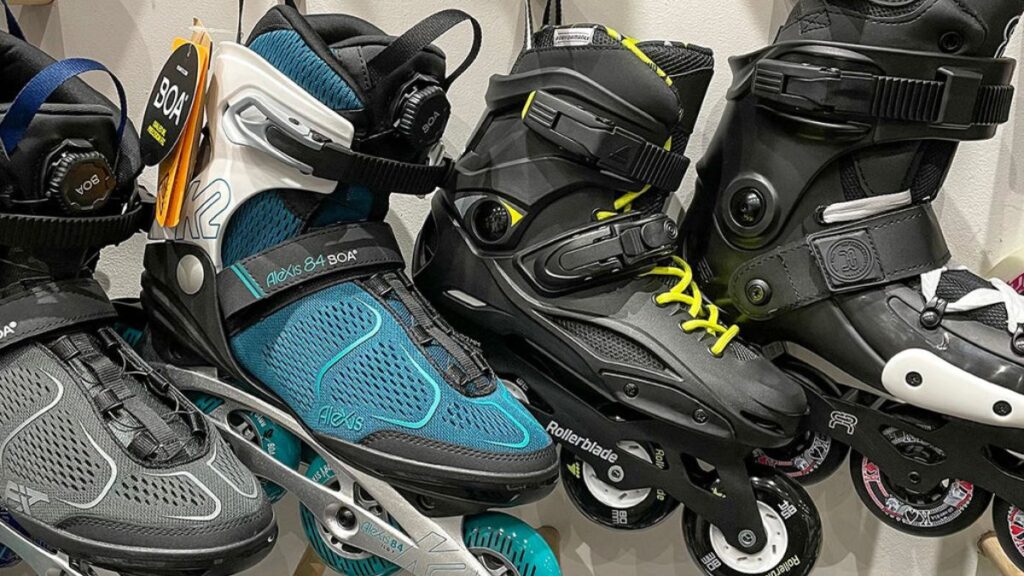
When it comes to equipment, rolerek and traditional skating have distinct characteristics. Rolerek skates are designed with a unique wheel configuration that allows for enhanced maneuverability. They often feature a wider stance which aids in balance.
Traditional skates typically come equipped with two rows of wheels—one at the front and one at the back. This design offers stability but can limit agility compared to rolereks.
Techniques also vary significantly between the two styles. Rolerek skating emphasizes fluid movements, focusing on carving and quick turns. It requires more core engagement, making it both a workout and an art form.
On the other hand, traditional skating prioritizes linear motion with techniques centered around forward propulsion. This style is rooted in classic dance moves or speed skating tactics.
Both methods offer their own unique flair while catering to different preferences among enthusiasts.
Benefits of Rolerek over Traditional Skating
Rolerek offers a fresh twist on skating that many find exhilarating. Its design allows for smoother, more fluid movements compared to traditional skate styles. This enhanced maneuverability can lead to greater enjoyment and confidence while gliding.
Another significant benefit is the unique learning curve associated with rolerek. Beginners often find it easier to balance on these skates due to their wider base and lower center of gravity. This accessibility encourages more people to try out skating as a fun activity or sport.
Additionally, rolerek provides versatility in terms of terrain. Whether you’re cruising along smooth pavement or tackling rough surfaces, these skates perform well across various environments.
Moreover, the community around rolerek is vibrant and growing. Enthusiasts share tips, tricks, and experiences online and at local meet-ups, fostering connections among skaters of all skill levels. The camaraderie adds an enriching layer to the experience that keeps participants coming back for more excitement.
Safety Precautions for Both Styles
Safety is paramount when it comes to both rolerek and traditional skating. Each style has its own set of precautions that skaters should follow for a safe experience.
For rolerek enthusiasts, wearing the right protective gear is essential. Helmets, knee pads, and wrist guards can significantly reduce injury risks during falls. Choose suitable surfaces as well; avoid rough terrain or crowded areas where collisions might occur.
Traditional skaters should also prioritize safety gear. A well-fitted helmet is a must, along with elbow pads and ankle-supportive shoes. Familiarize yourself with your local skating rink’s rules to ensure you skate in designated areas only.
Practicing balance techniques can benefit both types of skaters. Always be aware of your surroundings to anticipate potential hazards like other skaters or obstacles on the rink floor.
Staying hydrated before hitting the pavement helps maintain focus and stamina while preventing fatigue-related accidents.
The Future of Rolerek and Traditional Skating
The future of rolerek and traditional skating is brimming with potential. As technology advances, we might see innovative designs that enhance performance and safety for both styles.
Electric rolereks are already making waves, providing a new way to experience the thrill of skating. These powered options can attract younger audiences who crave speed and excitement.
Traditional skates continue to evolve too. Manufacturers are experimenting with lighter materials and improved wheel technologies to enhance agility on the rink or street.
Social media has played a pivotal role in revitalizing interest in both forms. Skaters share tricks, dance routines, and artistic performances online, inspiring others to join in.
Community events focused on rolerek have been gaining traction as well. Local groups organize meet-ups that blend fun with friendly competition and skill-sharing among enthusiasts of all ages.
With increasing awareness around fitness trends, both styles offer unique avenues for exercise while fostering community engagement.
Conclusion
As we look at the differences and unique aspects of rolerek versus traditional skating, it becomes evident that both styles offer distinct experiences. Rolerek stands out with its fusion of innovative techniques and modern equipment, providing a fresh take on an age-old pastime. Meanwhile, traditional skating holds a nostalgic charm that resonates with many.
Exploring these two captivating forms of skating reveals not just their histories but also their evolving identities in today’s world. As more enthusiasts embrace rolerek for its dynamic appeal, while others remain loyal to classic styles, the future promises exciting possibilities for both communities.
Whether you’re gliding gracefully across a rink or navigating urban landscapes on wheels, each style has something valuable to offer. The choice between rolerek and traditional skating ultimately comes down to personal preference and individual taste. Whatever path you choose in this exhilarating world of wheeled adventure is sure to provide joy and excitement along the way.