
Introduction to Dojen Moe and its origins
Dojen moe is more than just a phrase; it’s an entire aesthetic that has captured the hearts of anime fans worldwide. Originating from Japan, this unique art style embodies cuteness and charm in its purest form. With characters often depicted as adorable, innocent, and irresistibly appealing, dojen moe has become a vital element in defining modern anime culture.
But what exactly makes dojen moe so special? Its influence stretches beyond mere visuals—it shapes narratives, character development, and even fandom dynamics. As we dive deeper into the world of dojen moe, you’ll discover how its whimsical traits have woven themselves into the fabric of contemporary anime storytelling. Get ready to explore this captivating phenomenon that continues to evolve while leaving an indelible mark on animation today!
The Influence of Dojen Moe on Anime Culture
Dojen Moe has become a defining element in anime culture, weaving itself into various narratives and character designs. This art style emphasizes cuteness, innocence, and the playful quirks of characters. It resonates deeply with fans who appreciate its charm.
The influence extends beyond aesthetics. Dojen Moe shapes storytelling by creating relatable protagonists that viewers connect with emotionally. These characters often embody traits like vulnerability or naivety, making them endearing to audiences.
Moreover, Dojen Moe fosters community engagement within fandoms. Fans create fan art and stories inspired by these lovable characters, enriching the anime landscape further. This interaction cultivates a shared appreciation for the subtleties of this unique style.
As conventions celebrate cosplays and merchandise featuring Dojen Moe elements, it reinforces its presence in mainstream anime culture while influencing new creators searching for inspiration in their works.
The Characteristics of Dojen Moe Art Style
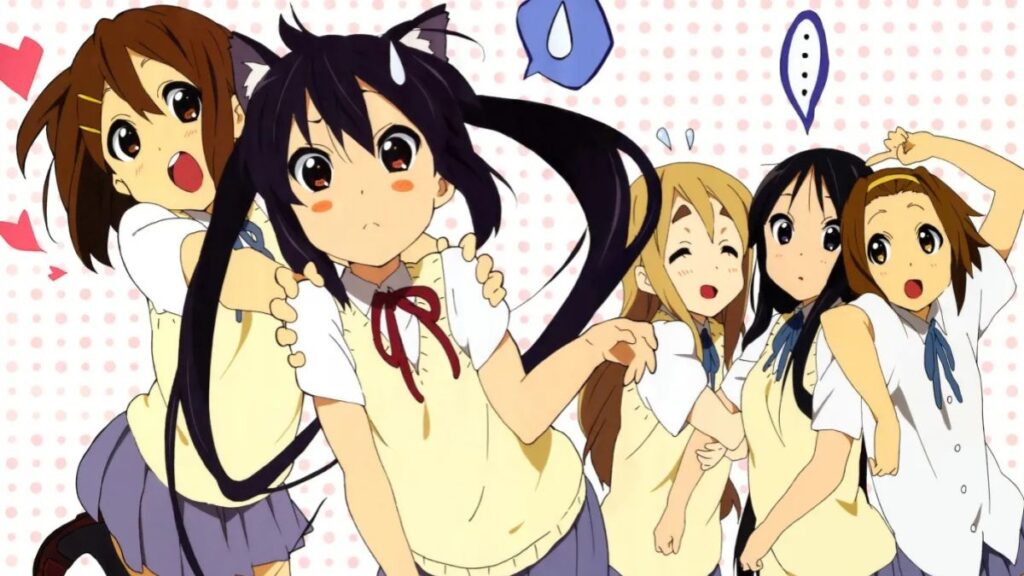
Dojen moe art style captivates with its vibrant colors and exaggerated features. Large, expressive eyes are a hallmark, conveying deep emotions and charm. This emphasis on cuteness draws viewers into the characters’ worlds.
The designs often include playful elements like oversized heads or tiny bodies. These proportions amplify the innocence of the characters, making them instantly lovable.
Another characteristic is the attention to detail in clothing and accessories. Outfits can be elaborate yet whimsical, enhancing the character’s personality.
Backgrounds in dojen moe works tend to be bright and inviting, creating an immersive setting that complements the characters’ energy.
This blend of visual appeal reflects broader themes of affection and warmth found within these stories. Dojen Moe elevates simple narratives by wrapping them in this joyful aesthetic.
Popular Examples of Anime with Dojen Moe Elements
Numerous anime series showcase the enchanting allure of dojen moe, captivating audiences worldwide. One standout is “K-On!”, a delightful tale about high school girls forming a music club. Its characters embody the essence of cuteness and charm.
Another gem is “Lucky Star,” which explores everyday life through quirky humor and relatable experiences. The show’s character designs radiate that signature moe appeal, drawing viewers into their amusing antics.
“Clannad” also weaves deep emotional storytelling with its endearing cast. Fans resonate with the struggles and triumphs of its characters, often wrapped in an adorable aesthetic.
“Miss Kobayashi’s Dragon Maid” takes a unique twist on dojen moe by blending fantasy elements with heartwarming moments between humans and dragons. Each episode highlights the cute interactions that leave lasting impressions on viewers.
These examples illustrate how dojen moe enhances narrative depth while keeping audiences engaged through charming visuals and compelling stories.
Criticism and Controversy Surrounding Dojen Moe
Dojen Moe, while celebrated by many, is not without its critics. Detractors often argue that the exaggerated characteristics of this art style can lead to unrealistic portrayals of young characters. This raises concerns about the implications on societal perceptions, particularly regarding youth and femininity.
Some believe that Dojen Moe fosters unhealthy ideologies around beauty standards. The focus on cuteness and innocence can blur lines in storytelling, making it difficult for audiences to engage with more serious themes.
Additionally, there are accusations that Dojen Moe simplifies complex narratives into mere aesthetic enjoyment. Critics lament a potential decline in character depth as creators lean into visual appeal over substantial development.
This controversy fuels ongoing debates within the anime community about artistic integrity versus commercial success. As with any evolving art form, these discussions shape its future trajectory significantly.
The Evolution of Dojen Moe in Modern Anime
Dojen moe has undergone significant transformations in modern anime. Originally rooted in simplistic character designs, it now features intricate details and diverse styles. Artists have expanded their interpretation of cuteness beyond the traditional.
Character expressions play a crucial role today. Subtle changes in facial features convey deeper emotions, allowing viewers to connect more intimately with the characters. This evolution reflects changing audience preferences for relatable narratives.
Moreover, storytelling intertwines with dojen moe aesthetics more than ever before. Characters embody traits that resonate with contemporary themes like friendship and personal growth, transcending mere visual appeal.
Technological advancements also contribute to this shift. Animation techniques have become more refined, enabling creators to push boundaries while maintaining the essence of dojen moe. As a result, these characters often inhabit richer worlds filled with vibrant colors and imaginative landscapes.
This blend of artistry and narrative depth continues to redefine what dojen moe can represent within modern anime culture.
The Future Impact of Dojen Moe on Anime Culture
As dojen moe continues to evolve, its impact on anime culture is poised to deepen. The distinctive art style and character design have already carved out a niche that resonates with fans worldwide.
Emerging platforms for independent creators are likely to amplify the reach of dojen moe. Artists can experiment freely, pushing boundaries while maintaining engagement with their audiences.
Moreover, advancements in technology may enhance how these characters come alive. Virtual reality and augmented reality could offer immersive experiences centered around beloved dojen moe characters.
We might also see a fusion of this art style with different genres. This blending could bring fresh narratives and unique visual aesthetics into mainstream anime, further enriching the cultural landscape.
The global appeal of dojen moe suggests it will continue influencing not just Japan but various international markets as well. As new generations embrace these artistic forms, we can expect exciting developments ahead in both storytelling and presentation within anime culture.
Conclusion
Dojen moe has carved a distinct niche within the vast landscape of anime culture. Its origins trace back to earlier art styles and subcultures, reflecting a love for cuteness that resonates deeply with many fans. This endearing aesthetic continues to influence character design and storytelling in notable ways.
The characteristics of dojen moe are easily recognizable—big eyes, vibrant colors, and exaggerated expressions create an emotional connection between characters and audiences. These elements contribute significantly to the popularity of shows featuring dojen moe art styles.
Anime such as “K-On!” and “Lucky Star” serve as prime examples where dojen moe thrives. Their characters embody the essence of this style, drawing viewers into their whimsical worlds while exploring themes like friendship and daily life.
Despite its appeal, dojen moe faces criticism from some quarters. Detractors argue it can lead to unrealistic expectations about relationships or promote unhealthy stereotypes. Nonetheless, these critiques often overlook how diverse interpretations can arise within any artistic movement.
As modern anime evolves, so too does the concept of dojen moe. New technologies allow artists to experiment further with visual storytelling while maintaining core design principles that resonate with fans worldwide.
Looking ahead, it’s clear that dojen moe will keep influencing future generations of animators and storytellers alike. Its blend of nostalgia, charm, and creativity ensures that it remains a significant part of anime culture for years to come.
Embracing both its strengths and challenges allows audiences to appreciate the full spectrum of what dojen moe represents—a unique voice in an ever-changing medium.