
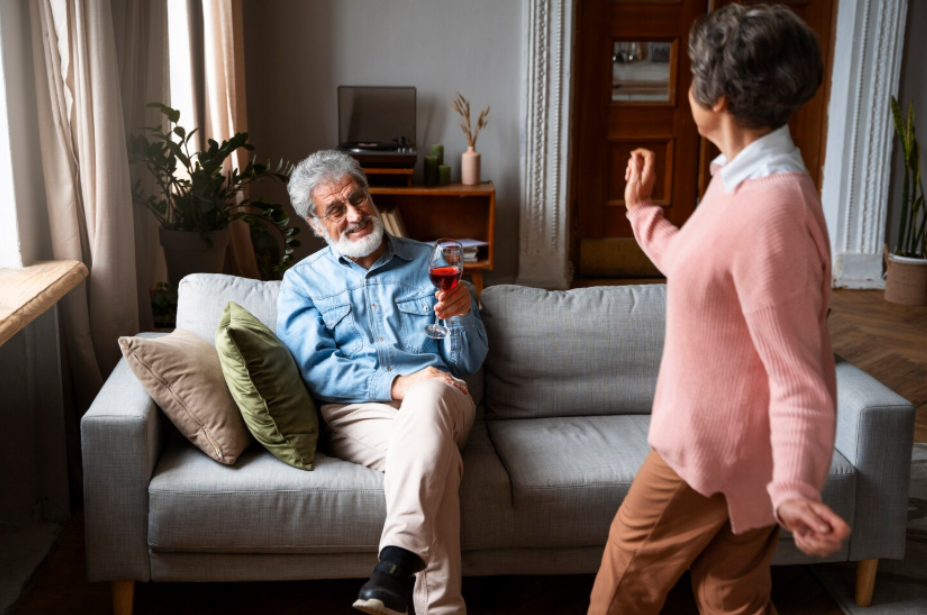
The idea of aging in place is often romanticized. Yet, for most elderly individuals, remaining in a big, lonely family house can end up affecting physical and mental health.
In contemporary science, health at later ages is not merely a matter of genetics or medical treatment; it has its roots in our surroundings.
Senior living communities are specifically designed to maximize these environmental factors, making everyday life a comprehensive wellness program.
Below are some ways supportive communities enable seniors to stay healthy and active. Let’s break each of them down…
Fighting the Epidemic of Loneliness
Social isolation is not simply a feeling; research indicates that social isolation can be as harmful to health as smoking 15 cigarettes/day. Social interaction in a supportive community is instinctive and effortless.
Whether it’s a quick talk in the hallway or dinner, being constantly occupied keeps the brain busy and makes it less likely to become depressed or to lose cognitive abilities.
Access to Professional Fitness Programming
Independence is based on mobility. Although it may be hard to get motivated in a public gym, the local community offers low-impact and senior-specific fitness classes outside the door.
Wellness is a lifestyle factor at Diamond Oaks Village, where guests can find water aerobics and yoga that enhance core stability and balance.
The presence of a group of friends makes exercise a social activity rather than a physical task, greatly reducing the risk of falls and fractures.
Maintenance-Free Living as a Stress Reduction
Chronic stress is a silent killer, a contributory factor to heart disease and high blood pressure. The to-do list of homeownership, such as mowing lawns, leaky faucets, or security worries, is a significant source of stress among seniors.
By delegating these tasks to professional staff, seniors can reduce cortisol levels and direct their energy toward more beneficial, less stressful activities, such as hobbies and rest.
Nutritious Chef Prepared Food
Grocery shopping and preparing a meal to serve one or two people as we get older usually result in tea-and-toast syndrome, a diet deficient in essential proteins and vitamins.
This is addressed in communities, where it offers restaurant-style food with menus prepared by nutritionists. The meals will promote heart health, bone density, and cognitive function without requiring meal preparation.
Inbuilt Safety and Fast Response.
The fear of falling or experiencing a medical emergency when alone can be a major cause of anxiety. In supportive communities, 24-hour emergency call systems and on-site personnel are available.
This safety net will enable the seniors to lead more adventurous and confident lives, knowing that assistance is only seconds away.
Lifelong Learning and Intellectual Stimulation
Novelty is the friend of cognitive health. Communities offer guest lectures, book groups, and computer courses that push the brain to form new neural connections. This cognitive cross-training plays a crucial role in combating dementia and Alzheimer’s.
Conclusion
A supportive community is much more than a collection of apartments; it is a proactive health intervention. By integrating social connection, specialized fitness, and stress-free living, these environments empower seniors not just to live longer but to live better.