
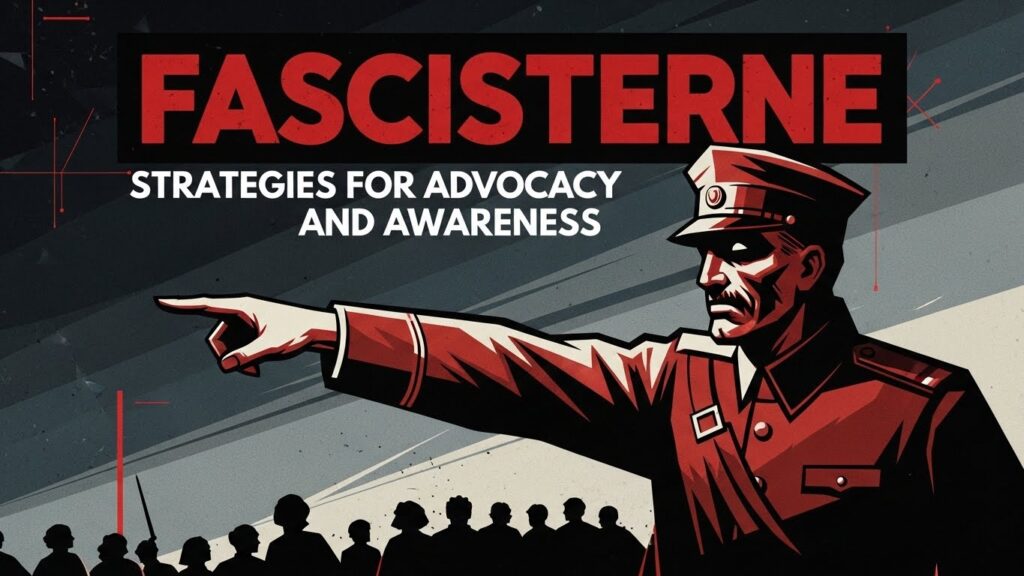
In a world where divisive ideologies often rear their heads, understanding the roots and implications of fascism is more important than ever. Fascisterne, translating to “the fascists,” represents not just a historical phenomenon but also a call to action for those who value democracy and human rights. As we engage with this topic, we must explore how awareness can ignite advocacy against oppressive regimes and promote a society rooted in inclusivity. Join us on this journey as we discover effective strategies for combating fascism today—because staying informed empowers change.
What is Fascisterne?
Fascisterne is a term that embodies the fight against fascism, drawing attention to the ideologies and actions that promote oppression. It’s about standing firm against authoritarian regimes and extreme nationalism.
This movement focuses on raising awareness of how these dangerous beliefs can infiltrate societies, undermining democracy and civil rights. It emphasizes collective action to combat hate-driven narratives.
At its core, Fascisterne encourages individuals to recognize their responsibility in fostering an inclusive environment. By understanding historical contexts and current manifestations of fascism, people can better appreciate the urgency of advocacy efforts today.
The initiative promotes critical thinking and dialogue within communities. This helps break down barriers created by fear-mongering tactics often employed by extremist groups seeking power through division rather than unity.
Understanding Fascism and its Impact
Fascism is a far-right political ideology characterized by authoritarianism and nationalism. It prioritizes the state over individual freedoms, often using propaganda to promote its agenda.
The impact of fascism can be devastating. History shows us how it breeds division, fear, and violence within societies. Communities are torn apart as dissenting voices are silenced.
Under fascist regimes, basic human rights are frequently violated. Marginalized groups face systemic oppression while leaders manipulate public sentiment to maintain control.
Understanding this ideology’s roots and consequences is crucial for recognizing its signs today. Awareness helps individuals identify harmful rhetoric that seeks to divide rather than unite.
By studying past atrocities linked to fascism, we gain insight into the importance of vigilance in safeguarding democracy and social justice. The lessons learned from history must inform our actions moving forward.
Historical Examples of Fascism
Fascism has left its mark throughout history, shaping nations and ideologies. One of the most notorious examples is Mussolini’s Italy in the early 20th century. The regime emphasized nationalism, suppressing dissent while promoting a militaristic culture.
Nazi Germany stands as another chilling manifestation of fascist ideology. Adolf Hitler’s rise to power led to horrific consequences, including the Holocaust and widespread oppression.
Spain under Francisco Franco showcased how fascism could emerge during civil strife. His authoritarian rule lasted for decades, silencing opposition and enforcing strict social norms.
These instances illustrate how fascist regimes manipulate fear and propaganda to maintain control over their populations. Understanding these historical contexts is vital for recognizing similar patterns today.
Strategies for Advocacy and Awareness
Advocacy and awareness are vital in the fight against fascism. To make an impact, start by educating yourself about the nuances of fascist ideologies. Knowledge is power; understanding their tactics allows for effective counter-arguments.
Engaging with your community can create a ripple effect. Host discussions or workshops that focus on inclusivity and diversity. Encourage open dialogues where different perspectives can be shared.
Supporting organizations dedicated to anti-fascist work amplifies collective efforts. These groups often provide resources, events, and campaigns aimed at raising awareness.
Leverage social media platforms to spread information quickly. Share articles, infographics, or personal stories that highlight the dangers of fascism.
Art has a unique way of communicating messages emotionally. Consider using art as a lens to explore themes around resistance and solidarity within communities facing oppression.
Every small action counts when it comes to building resilience against hate-driven ideologies.
Educate Yourself and Others About Fascism
Understanding fascism is essential in today’s political climate. It’s not just a historical term; it’s a looming threat that can manifest in various forms.
Start by immersing yourself in literature and documentaries that explore the roots and evolution of fascist ideology. Knowledge empowers you to recognize its signs early.
Engage with your community through discussions, workshops, or online forums focused on this topic. Sharing insights and resources helps foster a well-informed society.
Encouraging open dialogue allows others to express their thoughts while challenging misconceptions about fascism. It’s crucial to create spaces where these conversations can thrive without fear of backlash.
Consider utilizing social media platforms for awareness campaigns. Share articles, infographics, or personal reflections that highlight the dangers of extremist ideologies.
Harnessing education as a tool against ignorance is vital for building resilient communities ready to stand up against hate.
Support Anti-Fascist Organizations and Movements
Supporting anti-fascist organizations is crucial in the fight against hate. These groups work tirelessly to combat discrimination and educate communities about the dangers of fascism.
By donating your time or resources, you can empower their efforts. Volunteer opportunities often include organizing events, distributing literature, or even providing online support through social media campaigns.
Engaging with local movements fosters a sense of community. It allows individuals to unite for a common cause while amplifying marginalized voices that need to be heard.
Attending rallies and workshops not only raises awareness but also builds solidarity among like-minded individuals. Such gatherings create safe spaces where ideas can flourish and collective action can take root.
Your support sends a clear message: intolerance will not be tolerated. Together we can create an environment that respects diversity and promotes understanding, ensuring history doesn’t repeat itself.
Promote Inclusivity and Diversity in Your Community
Creating an inclusive community starts with understanding and appreciating the differences among people. Each individual brings unique experiences, backgrounds, and perspectives to the table.
Host events that celebrate various cultures. Consider potlucks where everyone shares a dish from their heritage or festivals showcasing art, music, and traditions from around the world. These gatherings foster connection and empathy.
Encourage open dialogue about diversity issues in local forums or workshops. This allows community members to voice concerns and share stories that may otherwise go unheard.
Support local businesses owned by marginalized groups. By doing so, you not only uplift these entrepreneurs but also enrich your community’s economic landscape.
Schools can play a pivotal role too—integrating diverse curricula helps students appreciate multiple viewpoints from an early age. Inclusivity isn’t just a trend; it’s essential for fostering harmony and resilience within any society.
The Fight Against Fascism is Ongoing
The fight against fascism is far from over. Every day, communities face the threat of extremist ideologies that seek to divide and oppress.
Grassroots movements are rising globally, uniting people across varied backgrounds. These coalitions serve as a powerful reminder that unity can counter hate.
Social media plays a crucial role in spreading awareness and mobilizing action. Awareness campaigns highlight the dangers of fascism while celebrating diversity.
Young activists are stepping up, armed with creativity and passion. They’re using art, music, and digital platforms to challenge oppressive narratives.
Education remains key in this battle. Schools must teach about history’s dark chapters so future generations can recognize and resist similar trends today.
Fascist ideologies may shift shapes but their core message remains the same: division breeds fear. Staying vigilant is essential for safeguarding freedom and democracy for all citizens.
Conclusion
Fascisterne represents a crucial part of our ongoing battle against fascism. By understanding its roots and implications, we can better equip ourselves to confront this ideology. Educating ourselves is essential; knowledge empowers us to challenge harmful narratives.
Supporting anti-fascist organizations amplifies our collective efforts in standing up for justice and equality. These groups often provide resources that help raise awareness within communities. Promoting inclusivity and diversity fosters an environment where differing opinions are respected, making it harder for extremist ideologies to gain traction.
The fight against fascism demands persistence and courage from all of us. We must remain vigilant, informed, and united in the face of rising intolerance. Every action counts when it comes to advocating for a society that values freedom and human rights over division and oppression.
Staying engaged with local initiatives can also create ripple effects that lead others toward advocacy as well. As more people understand what fascisterne entails, they will be inspired to take action themselves—whether through education or community participation.
Together, we have the power to build a future free from the shadows of fascism by embracing diversity while actively opposing hatred wherever it emerges.