
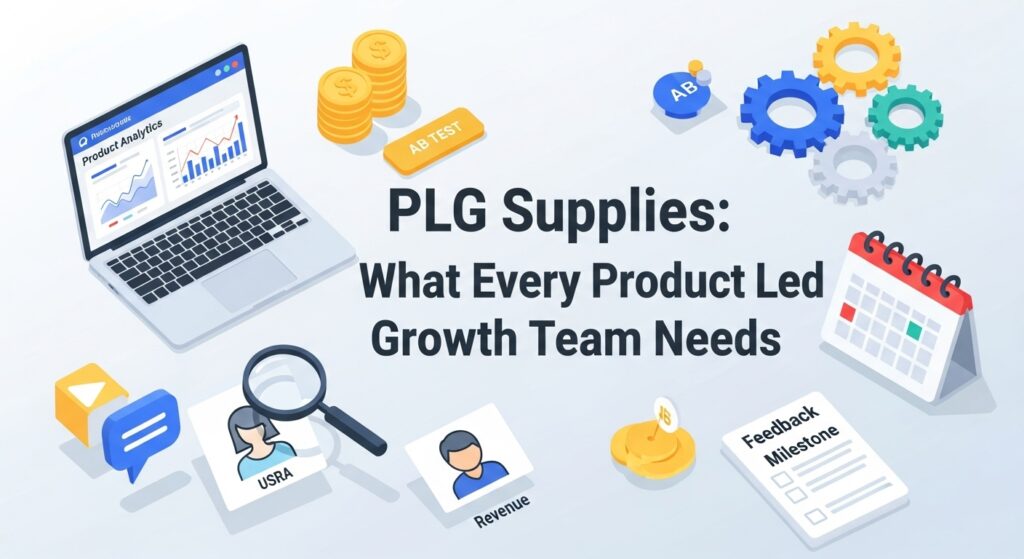
Product Led Growth (PLG) is reshaping the way businesses approach growth and customer engagement. As companies transition from traditional sales-driven tactics to a model that prioritizes the product itself, understanding what it takes to succeed in this space becomes crucial. Enter PLG supplies an essential toolkit for teams aiming to harness the power of their products effectively. Whether you’re part of a startup or an established enterprise, arming yourself with the right resources can make all the difference in driving user adoption and retention. Let’s delve into what PLG supplies are and why they matter for any ambitious team looking to thrive in today’s competitive landscape.
What is PLG Supplies?
PLG supplies refer to the essential tools, resources, and practices that empower Product Led Growth teams. They focus on leveraging products as the primary driver for customer acquisition, engagement, and retention.
These supplies encompass everything from analytics software to user onboarding platforms. Each element plays a role in creating a seamless experience for users.
At its core, PLG supplies aim to enhance product usability and foster self-service among customers. This approach encourages potential clients to explore your offerings without heavy reliance on sales teams.
By prioritizing user feedback loops and data-driven insights, businesses can refine their products continuously. Effective PLG supplies create an ecosystem where both users and companies benefit from improved interactions with the product.
The Importance of Product Led Growth (PLG)
Product Led Growth (PLG) has emerged as a game-changer in the landscape of business strategies. This approach places the product at the forefront, allowing it to drive user acquisition, retention, and expansion.
By focusing on delivering exceptional user experiences, companies can harness the power of their products for organic growth. Customers become advocates when they find true value in what you offer.
Moreover, PLG reduces reliance on traditional sales tactics. With a self-service model, users can engage with your product directly. This accessibility fosters trust and encourages experimentation.
As more businesses adopt this strategy, understanding its importance becomes critical. It aligns teams around customer-centric goals while leveraging data-driven insights for continuous improvement. Emphasizing PLG creates a sustainable growth cycle that attracts both new customers and keeps existing ones coming back for more.
The Key Components of a Successful PLG Team
A successful PLG team thrives on collaboration. Team members should come from diverse backgrounds, including product development, marketing, and customer success. Each perspective brings valuable insights.
Clear communication is vital. This ensures everyone is aligned on goals and strategies. Regular check-ins can help maintain focus and adaptability as the market evolves.
Data-driven decision-making is another key element. Utilizing analytics tools allows teams to understand user behavior deeply. Insights drawn from data guide iterative improvements in the product.
Customer feedback loops are essential for growth. Engaging users regularly helps identify pain points and opportunities for enhancement.
A culture of experimentation encourages innovation within the team. Embracing both successes and failures can lead to breakthrough ideas that drive engagement and retention in your product-led journey.
Must-Have Tools and Software for PLG Teams
For a product-led growth (PLG) team, tools and software can make all the difference. They streamline processes and enhance collaboration.
Analytics platforms like Amplitude or Mixpanel provide deep insights into user behavior. Understanding these patterns is crucial for refining your product.
Communication tools such as Slack foster real-time discussions among team members. Clear communication ensures everyone stays aligned on goals and strategies.
User feedback systems like Typeform or Hotjar are invaluable for gathering customer insights. By tapping into users’ thoughts, teams can improve their offerings continuously.
For project management, consider Asana or Trello to keep tasks organized. These platforms help prioritize initiatives that drive growth effectively.
Using automation tools like Zapier saves time by connecting apps seamlessly. This allows PLG teams to focus more on strategy rather than routine tasks that could drain resources.
Strategies for Utilizing PLG Supplies Effectively
To utilize PLG supplies effectively, start by fostering a culture of experimentation. Encourage your team to test different features and user experiences. This will help you understand what resonates with your users.
Next, prioritize user feedback as a vital resource. Actively seek insights through surveys or in-app prompts. Analyzing this information guides product improvements and helps tailor strategies.
Additionally, focus on onboarding processes. A smooth introduction to your product ensures that new users grasp its value quickly. Invest time into crafting engaging tutorials or walkthroughs.
Empower cross-functional collaboration within your team members. Combining expertise from marketing, sales, and engineering can spur innovative ideas and solutions.
Continuously monitor key performance indicators (KPIs). Tracking metrics allows for timely adjustments based on real-time data rather than assumptions or guesswork.
Case Studies of Companies Successfully Using PLG Supplies
Many companies have embraced PLG supplies to drive growth and enhance user experiences. A prime example is Slack. By prioritizing user onboarding and intuitive design, they created a product that encourages organic adoption among teams.
Another standout is Dropbox. Their freemium model showcases how effective PLG strategies can lead to a massive increase in users. The seamless sharing features made it easy for individuals to collaborate, ultimately drawing in entire organizations.
Notably, Zoom leveraged PLG supplies during the pandemic. With effortless integration into existing workflows, their platform became essential for remote communication almost overnight.
These case studies highlight diverse approaches within the realm of product-led growth. Each company’s journey demonstrates how tailored PLG supplies can transform products into key drivers of customer engagement and retention.
Investing in PLG Supplies for Long-Term Success
Investing in PLG supplies is crucial for sustainable growth. It’s not just about immediate gains; it’s about building a foundation for the future.
When teams prioritize quality resources, they enhance their product’s usability and customer experience. This focus leads to higher retention rates and more loyal users.
The right tools streamline workflows, allowing teams to iterate quickly on feedback. Fast adaptations can significantly impact user satisfaction over time.
Moreover, consistent investment in training ensures that team members stay ahead of industry trends. A well-informed team can leverage PLG strategies effectively.
Allocating resources wisely fosters innovation within the company culture itself. With every investment, you’re not just purchasing supplies; you’re investing in your team’s potential and long-term vision for success.
Conclusion
As we delve into the world of PLG supplies, it becomes clear that they are an essential ingredient for any product-led growth team. The landscape is competitive, and having the right tools and strategies can set you apart.
Understanding what PLG supplies entail is crucial. These resources aid teams in streamlining processes and enhancing user experiences. As businesses shift to a more product-centric approach, this understanding will only grow in importance.
The components of a successful PLG team include collaboration, communication, and the alignment of goals across departments. This ensures everyone works towards common objectives while leveraging their unique strengths.
Equipping your team with must-have tools enhances productivity and fosters innovation. From analytics platforms to user feedback systems, these software solutions lay a strong foundation for effective growth strategies.
Implementing targeted strategies enables teams to utilize their PLG supplies effectively. By focusing on customer needs and iterating based on feedback, companies can refine their offerings continuously.
Case studies demonstrate how various organizations have successfully navigated their growth journey using PLG supplies. These real-world examples serve as inspiration for those looking to adopt similar practices in their own operations.
Investing in robust PLG supplies not only addresses immediate challenges but also paves the way for long-term success. Teams that prioritize these resources are better positioned to adapt in an ever-evolving marketplace where innovation reigns supreme.