
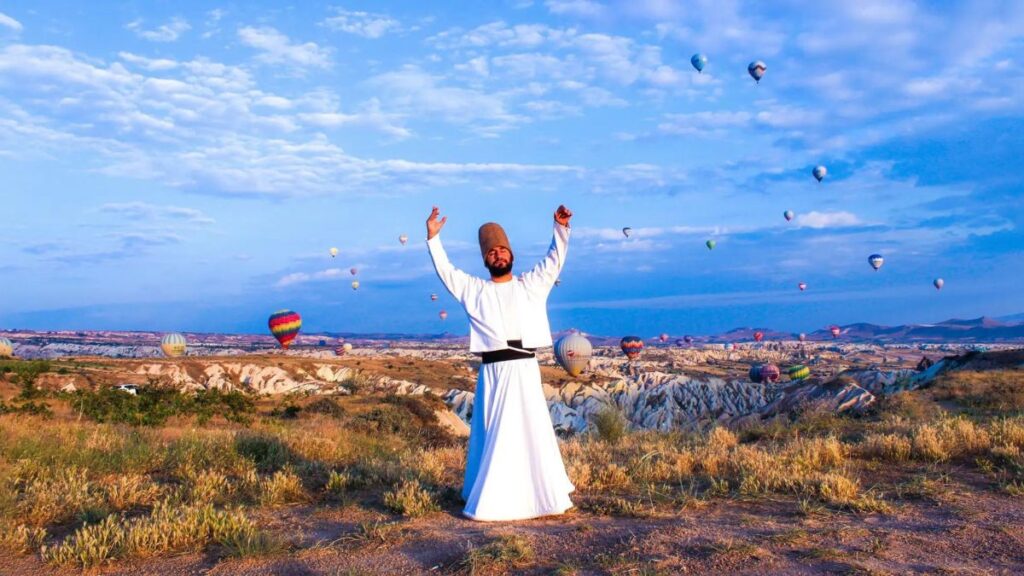
Introduction to Türk İdla
Türk İdla is a vibrant tapestry woven from the threads of history, culture, and tradition. Nestled in the heart of Turkey, this unique region showcases an array of influences that have shaped its identity over centuries. From tantalizing cuisine to captivating festivals, Türk İdla offers a rich experience for anyone eager to explore its cultural heritage. As you journey through this enchanting locale, you’ll discover how ancient customs harmoniously blend with modern life. Join us as we delve into the fascinating aspects of Türk İdla and uncover what makes it such a remarkable part of Turkish culture.
History of Türk İdla and Its Influences
The history of Türk İdla is rich and vibrant, deeply woven into the cultural fabric of Turkey. This tradition is believed to have roots dating back centuries, with influences from nomadic tribes that traversed vast landscapes.
As these tribes settled, they brought along their customs and oral traditions. This blending contributed significantly to what we recognize today as Türk İdla. The songs often tell stories of love, struggle, and nature—echoing the sentiments of the people across generations.
Geographical diversity also played a crucial role in shaping Türk İlda’s character. Regional variations emerged as different communities added their unique touches to melodies and lyrics.
Through interactions with neighboring cultures, especially during periods like the Ottoman Empire’s expansion, Turkish Idla absorbed elements from Persian and Arab musical traditions while maintaining its distinct identity. Such historical crossroads enriched its narrative tapestry, making it a significant part of Turkey’s cultural heritage today.
Traditional Turkish Cuisine
Traditional Turkish cuisine is a vibrant tapestry of flavors and techniques. It showcases the country’s rich history and diverse cultural influences.
Dishes often revolve around fresh ingredients, herbs, and spices that create bold tastes. The use of lamb, chicken, and seafood is prevalent, alongside an array of vegetables like eggplant and tomatoes.
Meze platters are a staple in social gatherings. These small dishes offer an inviting way to sample various delicacies. From hummus to stuffed grape leaves, each bite tells a story.
Bread holds significant importance in Turkish meals as well. Pide, lavash, or simit complement main courses perfectly.
Desserts also shine brightly with favorites like baklava soaking in syrupy goodness or künefe drizzled with honey. Each dessert reflects centuries-old recipes passed down through generations.
The communal aspect of dining emphasizes togetherness—sharing food enhances connections among family and friends while celebrating Turkey’s culinary heritage.
Festivals and Celebrations
Festivals and celebrations are vibrant expressions of Türk İdla’s rich cultural tapestry. Each event is a window into the soul of the community, showcasing traditions passed down through generations.
One of the most anticipated festivities is the Hıdrellez Festival, marking spring’s arrival. People gather to make wishes and celebrate with music, dancing, and traditional foods.
Ramazan Bayramı holds significant importance as well. Families come together to share meals, exchange gifts, and visit local mosques. The spirit of unity fills the air during this sacred time.
Throughout the year, local fairs also spotlight regional craftsmanship. Artisans display their skills in pottery and textiles while visitors enjoy folk dances that narrate stories from history.
These occasions foster connections among people while preserving customs unique to Türk İdla. They serve as joyous reminders of collective heritage that continues to thrive today.
Art and Music in Türk İdla
Art and music are the soul of Türk İdla. They reflect centuries of history, beliefs, and emotions. Intricate patterns in traditional Turkish art tell stories passed down through generations. You can find these motifs in textiles, pottery, and even architecture.
Music holds a special place too. The sound of the saz resonates deeply within communities. It brings people together during gatherings and celebrations. Folk songs echo tales of love, struggle, and nature’s beauty.
Dance often accompanies this vibrant music scene. Traditional dances weave narratives through movement, showcasing cultural pride and unity.
Artists continually draw inspiration from their surroundings—nature plays a significant role here as well. This connection to the environment enriches both visual arts and musical compositions.
Engaging with art forms in Türk İdla offers insights into daily life while preserving rich traditions for future generations to cherish.
Cultural Practices and Customs
Cultural practices and customs in Türk İdla are a vibrant tapestry of traditions passed down through generations. They reflect the rich history and diverse influences that have shaped this unique cultural identity.
Family gatherings are an essential part of life. These occasions often involve sharing stories, laughter, and traditional dishes prepared with care. It’s a way to strengthen bonds while honoring ancestry.
Hospitality remains a cornerstone value. Guests are treated with great respect, often welcomed with tea or coffee served alongside delightful sweets. This warmth fosters connections within and beyond the community.
Ceremonies such as weddings highlight elaborate rituals filled with colors and music. Each step tells a story, celebrating love while weaving together families.
Artisan crafts also hold significance in daily life, from handwoven textiles to intricate ceramics. These creations carry symbols reflecting beliefs, making each piece more than just functional – they’re expressions of identity.
Preservation of Türk İdla’s Heritage
Preserving the essence of Türk İdla is crucial for maintaining its unique cultural identity. Many communities actively engage in initiatives that celebrate and safeguard their traditions.
Local organizations play a vital role in promoting awareness among younger generations about the importance of their heritage. Educational programs often include traditional crafts, folklore, and language classes.
Festivals are another effective way to keep traditions alive. These events not only showcase music and dance but also create opportunities for community bonding.
The digital age has opened new avenues for preservation as well. Social media platforms enable individuals to share stories, recipes, and experiences related to Türk İdla with a global audience.
Documentation efforts through photography and video recordings help capture fleeting moments of this vibrant culture. By doing so, they ensure that future generations can appreciate the rich tapestry of Türk İdla’s heritage.
Conclusion
As we explore Türk İdla, it becomes clear that this vibrant cultural tapestry is woven from a rich history and diverse influences. The unique flavors of traditional Turkish cuisine invite you to experience the warmth and hospitality of the community. Festivals brim with life, showcasing age-old customs that unite people in celebration.
Art and music add depth to Türk İdla’s identity, where every note tells a story and every brushstroke reflects shared values. These creative expressions are not just entertainment; they serve as vital links connecting generations.
The commitment to preserving these traditions ensures that future generations can enjoy and learn from their heritage. By embracing both old practices and modern adaptations, Türk İdla continues to thrive in an ever-changing world.
Exploring this enchanting culture reveals more than just rituals; it uncovers the heart of its people. With each discovery, we gain insights into what makes Türk İdla truly special—an enduring legacy worth celebrating for years to come.