
Introduction to Duaction
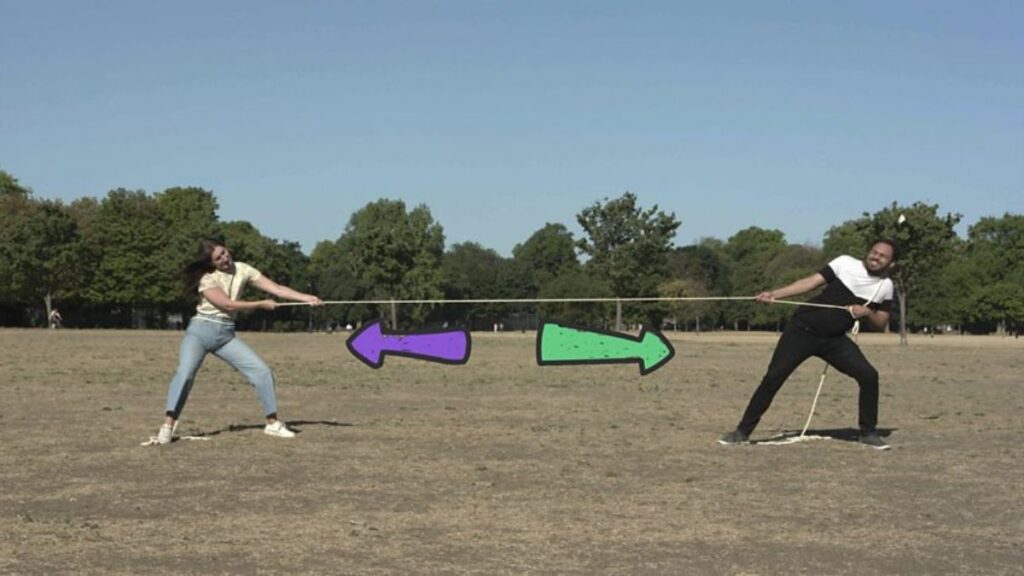
Have you ever found yourself torn between two options, feeling the weight of choice pressing down on your shoulders? The fascinating concept of duaction might just hold the key to understanding these moments. It’s an intricate dance between forces that shape our decisions in ways we often overlook. Imagine standing at a crossroads where nature and nurture collide, or where internal desires clash with external influences. This exploration delves into how these dynamics impact our choices and ultimately steer the course of our lives. Join us as we unpack the layers of duaction and discover what drives us to make those pivotal decisions.
The First Force: Nature vs. Nurture
Nature and nurture represent two powerful forces that influence who we become. Nature refers to our genetic makeup, the traits we inherit from our parents. These biological factors shape aspects like temperament, intelligence, and even health predispositions.
Nurture complements this by focusing on environment and experiences. It encompasses upbringing, culture, education, and social interactions. How we are raised can significantly alter our personalities and choices.
Consider a child gifted with musical talent (nature), but without exposure to music lessons or encouragement (nurture), that potential may fade away. On the flip side, someone without innate talent might flourish if given proper guidance and resources.
The interplay between these elements is complex yet fascinating. Each choice we make reflects an ongoing dialogue between inherited traits and environmental influences. This dynamic highlights how intricately woven our decisions truly are within the tapestry of duaction.
The Second Force: Internal vs. External Factors
Internal factors include our thoughts, beliefs, and emotions. These elements shape how we perceive choices. For instance, someone might hesitate to switch careers due to fear of failure or self-doubt.
On the other hand, external factors encompass societal expectations and environmental influences. Family opinions, cultural norms, or even economic conditions can heavily impact decisions.
Imagine a person torn between pursuing their passion for art and following a more traditional career path favored by their family. The internal struggle may stem from personal desires clashing with external pressures.
Balancing these forces is crucial in decision-making. Recognizing when an internal belief conflicts with outside expectations can lead to greater clarity about what truly matters in any situation. It’s this interplay that colors our choices in profound ways.
Examples of Duaction in Decision Making
Duation manifests in various decision-making scenarios, highlighting its complex nature. Consider a student choosing a college. Their decision may hinge on parental expectations (nurture) and personal aspirations (nature). This internal tug-of-war illustrates duaction at play.
In the workplace, an employee might face a dilemma between job security and pursuing their passion. External pressures from family or society can weigh heavily against their innate desire for fulfillment.
Even in daily choices like what to eat, we navigate duaction. Cravings often pull us toward indulgence while health considerations push us toward balance.
These examples show that duaction isn’t just theoretical; it’s woven into the fabric of our everyday lives. Each choice reflects the interplay of intrinsic desires and external influences, shaping who we are and how we act.
How to Navigate and Leverage Duaction
Navigating duaction requires a keen awareness of your decision-making landscape. Start by identifying the internal and external factors influencing your choices. Reflect on how personal experiences shape your perspective while considering societal pressures.
Embrace mindfulness as a tool. It helps to pause and assess motivations before making decisions. This clarity can illuminate paths you might not have considered otherwise.
Engage with diverse viewpoints. Surrounding yourself with contrasting opinions fosters critical thinking, allowing you to balance nature and nurture influences more effectively.
Set clear priorities aligned with your values. By defining what truly matters, you empower yourself to make informed decisions that resonate deeply within.
Don’t shy away from experimentation. Taking calculated risks can reveal new insights into both forces at play in your life, enhancing understanding and growth along the way.
The Benefits and Downfalls of Duaction
Duation presents a fascinating duality in decision-making. On one hand, it offers a framework to understand our choices through the lens of nature versus nurture. This insight can lead to personal growth and self-awareness.
Yet, this complexity also holds pitfalls. Individuals may feel overwhelmed by conflicting influences. The struggle between internal desires and external expectations creates tension.
Moreover, duaction can complicate relationships. Misunderstandings arise when people interpret each other’s motivations differently based on their own experiences.
Despite these challenges, embracing duaction encourages resilience. It allows us to explore diverse perspectives and adapt our choices accordingly.
While it enriches our understanding of human behavior, navigating its intricacies requires patience and reflection. Recognizing both sides helps us appreciate the delicate balance in every decision we make.
Conclusion: Embracing the Complexity of Choice
Navigating the landscape of duaction reveals a rich tapestry of influences on our decisions. Understanding how nature and nurture interplay provides insights into our instincts and learned behaviors. Similarly, recognizing the tension between internal urges and external pressures can empower us to make choices that truly resonate with who we are.
Embracing this complexity is essential for personal growth. It invites us to reflect on our motivations, question societal norms, and cultivate a sense of agency in our lives. By acknowledging these forces without oversimplifying them, we can become more conscious decision-makers.
As we explore duaction further, it becomes clear that every choice is an opportunity for self-discovery. The dance between various factors shapes not just what we decide but also who we ultimately become. Embracing this intricate process enriches our experiences and leads to deeper connections with ourselves and others.